Your Donation Saves Lives!

We count on your donations to continue our life-saving work. As a non-profit organization with no paid staff members, our dedicated volunteers work tirelessly on behalf of local animals. And our efforts are paying off. Our innovative programs have been credited with reducing the number of animals who are euthanized at our local animal control facility. Our dream is that one day, no adoptable animals will be killed in area shelters. We thank you for helping us realize this dream.Visit the donation page to see where your money goes.


cfc
We are approved for the Combined Federal Campaign #50994.


Highlighted Animals
See all the animals!
  Klutch
Klutch is a male, Boxer mix puppy who is silly and energetic.  He loves to run and play.  He likes other dogs and especially thinks he is a lap dog.  He will climb right in your lap to snuggle with you.  If you're looking for a fun but romantic guy (he loves to give kisses) then Klutch is the dog for you.  Please call 410.880.2488 or always4tucker@yahoo.com
  3433 - Speedy
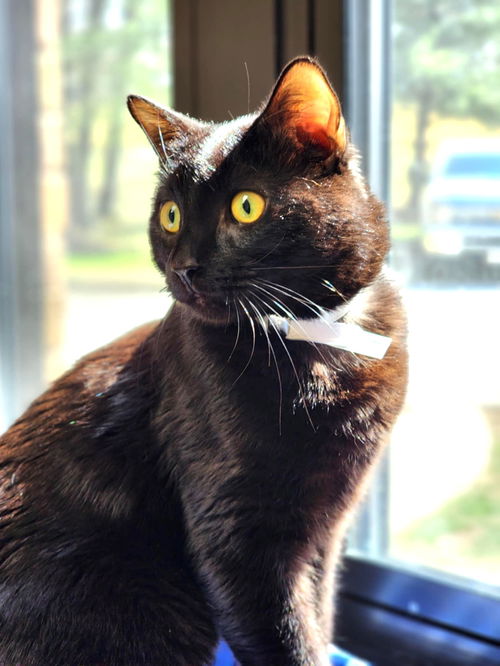
Speedy is a handsome looking Oriental Short hair mixed kitty.  He is curious and has a very sophisticated look to him and seems to know it as well.  He likes to explore and strut about.  He is independent and will hang out on window sills watching the world go by.  He is an adult, neutered male, black and white kitty.  He is friendly and likes attention.  A home with ...read more about 3433 - Speedy
  3509 - Gumdrop
Gumdrop is an adorable, female, Holland Lop bunny. She is only 5 months old.  She is super outgoing and will walk up to any stranger just to check them out and say hi.  She is very cute with one ear up and one ear down. 

Action Needed! 

Animal Advocates is asking for your immediate support of HB 1314.  This bill will require owners whose dogs have a history of dangerous behavior to take further measures to ensure public safety.  The mandatory spaying and neutering of dogs deemed dangerous is one of the strongest aspects of this bill.  

Additionally, a very important amendment to the original bill has been introduced.  This amendment will prohibit "profiling" of dogs based on their breed or breed mix.  Dogs and their owners should be judged on their behavior, not simply on their appearance.  

Delegate Cheryl Glenn is the bill's sponsor in the House.  She has agreed to submit HB 1314.  But, she needs to hear from you!  Please thank her for sponsoring HB 1314, and to make sure the proposed Amendent is included.  But hurry, you only have until March 18. 

Delegate Glenn's contact info is:  

CHERYL D. GLENN

(410) 841-3257, (301) 858-3257

1-800-492-7122, ext. 3257 (toll free)

email:  Cheryl.glenn@house.state.md.us


2009’s Top Ten Poisons

As reported by ASPCA’s Poison Control Center

With various dangers lurking in corners and cabinets, the home can be a minefield of poisons for our pets. In 2009, the Animal Poison Control Center handled more than 140,000 cases of pets exposed to toxic substances, many of which included everyday household products. Don’t leave it up to Fido or Fluffy to keep them safe. Below is a list of the top 10 pet poisons that affected our furry friends in 2009.

Human Medications
For several years, human medications have been number one on the list of common hazards, and 2009 was no exception. Last year, 45,816 calls involved prescription and over-the-counter drugs such as painkillers, cold medications, antidepressants and dietary supplements. Pets often snatch pill vials from counters and nightstands or gobble up medications accidentally dropped on the floor, so it’s essential to keep meds tucked away in hard-to-reach cabinets.

Insecticides

In our effort to battle home invasions by unwelcome pests, we often unwittingly put our furry friends at risk. In 2009, toxicologists fielded 29,020 calls related to insecticides. One of the most common incidents involved the misuse of flea and tick products—such as applying the wrong topical treatment to the wrong species. Thus, it’s always important to talk to your pet’s veterinarian before beginning any flea and tick control program.

People Food
People food like grapes, raisins, avocado and products containing xylitol, like gum, can seriously disable our furry friends, and accounted for more than 17,453 cases in 2009. One of the worst offenders—chocolate—contains large amounts of methylxanthines, which, if ingested in significant amounts, can cause vomiting, diarrhea, panting, excessive thirst, urination, hyperactivity, and in severe cases, abnormal heart rhythm, tremors and seizures.

Plants
Common houseplants were the subject of 7,858 calls in 2009. Varieties such as azalea, rhododendron, sago palm, lilies, kalanchoe and schefflera are often found in homes and can be harmful to pets. Lilies are especially toxic to cats, and can cause life-threatening kidney failure even in small amounts.

Veterinary Medications
Even though veterinary medications are intended for pets, they’re often misapplied or improperly dispensed by well-meaning pet parents. In 2009, 7,680 cases involving animal-related preparations such as non-steroidal anti-inflammatory drugs, heartworm preventatives, de-wormers, antibiotics, vaccines and nutritional supplements.

Rodenticides
Last year, 6,639 calls were about pets who had accidentally ingested rat and mouse poisons. Many types of bait used to attract rodents contain inactive ingredients that are attractive to pets as well. Depending on the type of rodenticide, ingestions can lead to potentially life-threatening problems for pets including bleeding, seizures or kidney damage.

Household Cleaners
Everybody knows that household-cleaning supplies can be toxic to adults and children, but few take precautions to protect their pets from common agents such as bleaches, detergents and disinfectants. Last year, 4,143 calls were related to household cleaners. These products, when inhaled by our furry friends, can cause serious gastrointestinal distress and irritation to the respiratory tract.

Heavy Metals
It’s not too much loud music that constitutes our next pet poison offender. Instead, it’s heavy metals such as lead, zinc and mercury, which accounted for 3,304 cases of pet poisonings in 2009. Lead is especially pernicious, and pets are exposed to it through many sources, including consumer products, paint chips, linoleum, and lead dust produced when surfaces in older homes are scraped or sanded.

Garden Products
It may keep your grass green, but certain types of fertilizer and garden products can cause problems for outdoor cats and dogs. Last year, 2,329 calls were fielded related to fertilizer exposure, which can cause severe gastric upset and possibly gastrointestinal obstruction.

Chemical Hazards
In 2009, there were approximately 2,175 cases of pet exposure to chemical hazards. A category on the rise, chemical hazards - found in ethylene glycol antifreeze, paint thinner, drain cleaners and pool/spa chemicals - form a substantial danger to pets. Substances in this group can cause gastrointestinal upset, depression, respiratory difficulties and chemical burns.

Prevention is really key to avoiding accidental exposure, but if you suspect your pet has ingested something toxic, please contact your veterinarian or Animal Poison Control Center’s 24-hour hotline at (888) 426-4435.


Featured Kids Who Care:

Elizabeth (pictured second from left) contacted us about making a donation to the shelter.  She and her fourth grade friends at a school in Clarksville had undertaken a service project to gather items from their friends and family.  It was quite a collection.  There were bags and bags for the homeless animals.

kidswhocareElizabeth


TOP

 
Animal Advocates of Howard County | PO Box 1403 • Ellicott City, MD 21041